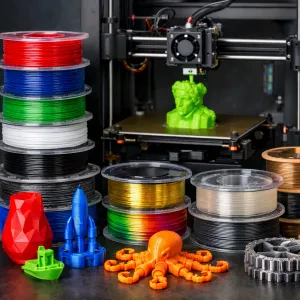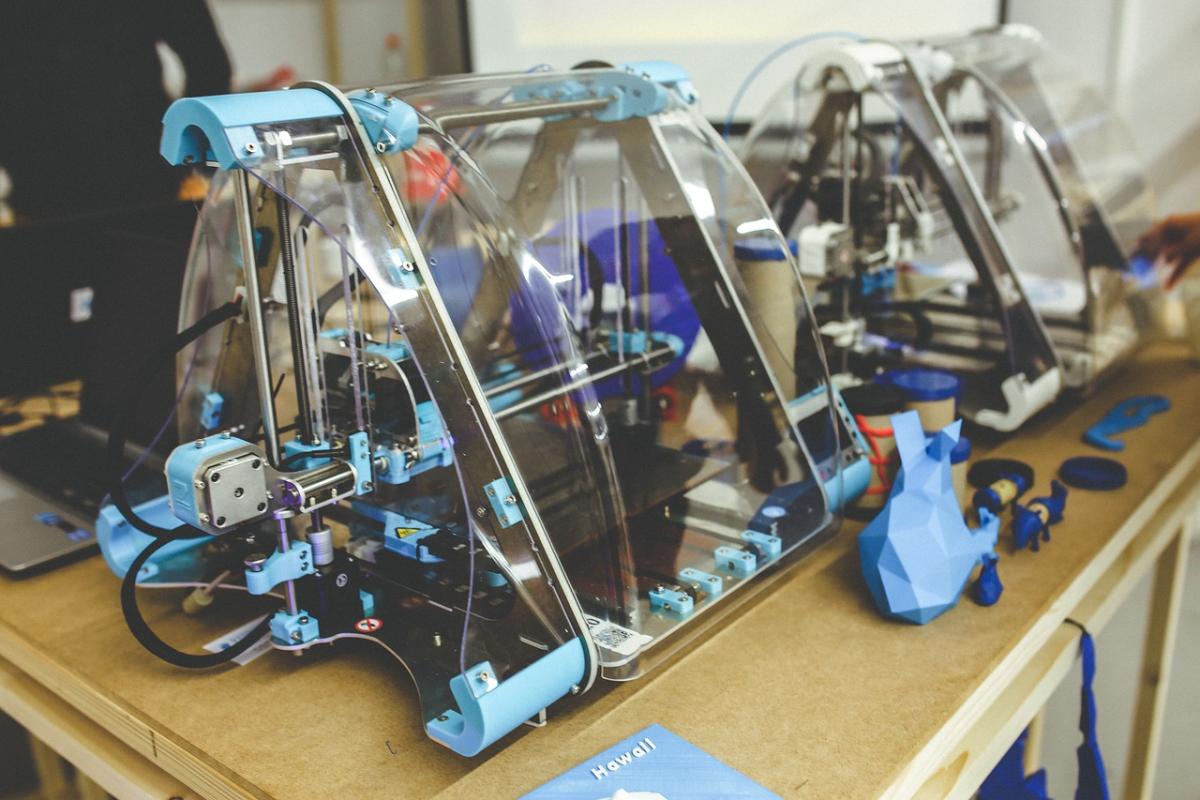
When diving into the world of 3D printing with resin, it helps to know the different types of resin available. Each type has its own strengths and is suited for various projects. Let’s break it down!
Standard Resin is your go-to for general printing. It’s easy to use and produces solid, detailed prints. Great for miniatures or any project where quality matters but you don't need special properties. Plus, it usually comes in a range of colors, so you can pick one that fits your project vibe.
Flexible Resin is super fun! This type lets you create soft, bendy prints that can withstand some stretching. It’s perfect for items like phone cases or toys that need to flex without breaking. You won’t have to worry about cracks with this flexible friend.
If you're after strength, Durable Resin is your best bet. It’s made for functional parts that need to handle wear and tear. Think tools or components that will see a lot of action. You’ll appreciate its toughness, and it still manages to look good with detailed finishes.
Finally, there’s Water Washable Resin. Cleaning up after printing can be a hassle, but this type simplifies the process. You can wash your prints with water instead of harsh chemicals. It’s eco-friendly and perfect for those who want an easier cleanup routine while enjoying great print quality.
Best Uses for Each Resin Type
When diving into the world of 3D printing, choosing the right resin can make all the difference. Each type of resin out there has its unique strengths and best uses. Let’s break it down so you can find the perfect match for your projects.
Standard Resin: This is your go-to for everyday printing. Standard resins are fantastic for creating models that need sharp details and smooth finishes. Think miniatures, toys, or any prototype where appearance matters. They cure quickly and offer great clarity, making them awesome for presentation pieces.
ABS-Like Resin: Looking for durability? ABS-like resins are tougher and more impact-resistant than standard resins. They’re perfect for functional parts that need a bit of strength, like mechanical components or fixtures. If you’re designing something that might take a beating, this is your best bet.
Flexible Resin: Need something that bends instead of breaking? Flexible resins are just what you need. They’re great for creating rubbery models, like phone cases or wearables. You can achieve cool designs that flex and squish, making them ideal for custom-fit products.
Castable Resin: If you’re into jewelry making or creating molds, castable resin is a game changer. It burns away cleanly, leaving you with a pristine metal piece. It’s super useful for intricate patterns and details that are hard to achieve with traditional molds. Perfect for those detailed designs that require precision!
How to Choose the Right Resin
Choosing the right resin for your 3D printing project can feel a bit overwhelming, but it doesn't have to be! Start by thinking about what you plan to create. Are you making models, prototypes, or maybe something functional? Different resins are better suited for different tasks.
Next, consider the properties you need. Do you want your prints to be strong and durable? Look for tough resins that can handle stress. If you're after something more flexible, there are flexible resins that can bend without breaking. For high-detail models, a standard resin usually does the trick, but some specialized resins offer even finer detail.
Check out the curing time too! Some resins set faster than others. If you’re in a hurry, a fast-curing resin can help you whip up your designs in no time. On the flip side, slower resins can sometimes result in better surface quality. It’s all about what fits your workflow.
Don’t forget about the finish and color options! Some resins come in vibrant colors, while others can be painted easily after printing. So, think about how you want your final piece to look. You’ll also want to keep an eye on handling and safety. Make sure to pick a resin that suits your environment and that you can work with comfortably.
Tips for Working with 3D Resin
Using 3D resin can be a game-changer for your projects, but it does come with some tips that can make the process smoother. First off, always wear gloves and goggles. Resin can get messy, and you don’t want any of it on your skin or in your eyes. It can be tricky to clean up, so protect yourself right from the start.
Next, make sure you have a well-ventilated space to work in. Some resins can release fumes that aren't great for your health. Work outdoors if you can, or keep a window open and a fan running. This simple step makes a huge difference in keeping your workspace safe and comfortable.
When you're mixing resin, follow the manufacturer's instructions carefully. Getting the ratios just right is key; too much hardener or resin can mess up your print. Use a scale for precision and mix it thoroughly. Take your time with this step, because a well-mixed resin leads to better results!
Lastly, patience is crucial. After you pour the resin, give it time to cure properly. Rushing this process can lead to weak prints that break easily. Curiosity is great, but let the resin do its thing so you can enjoy the best possible outcome.