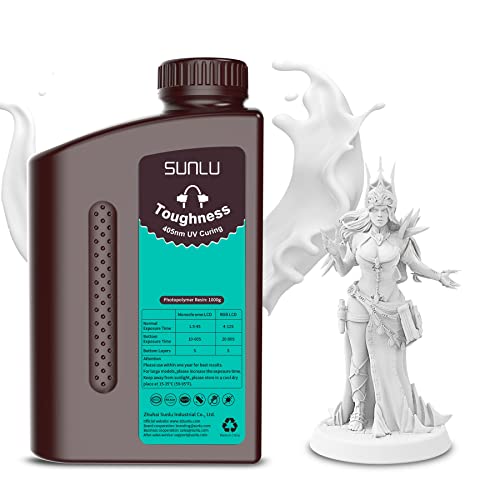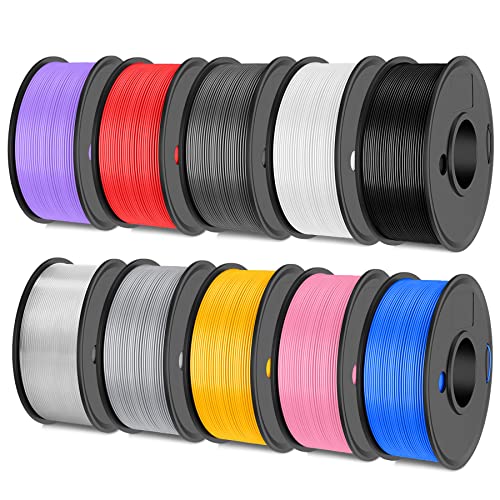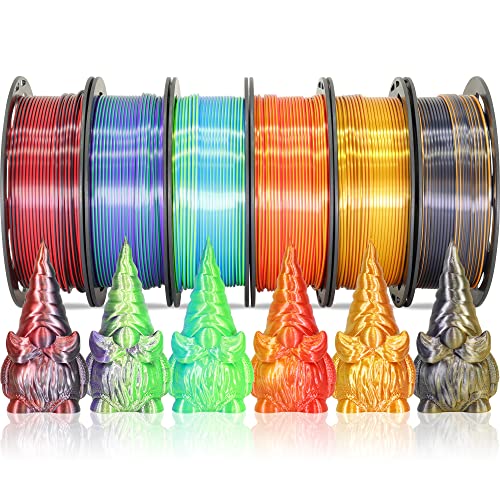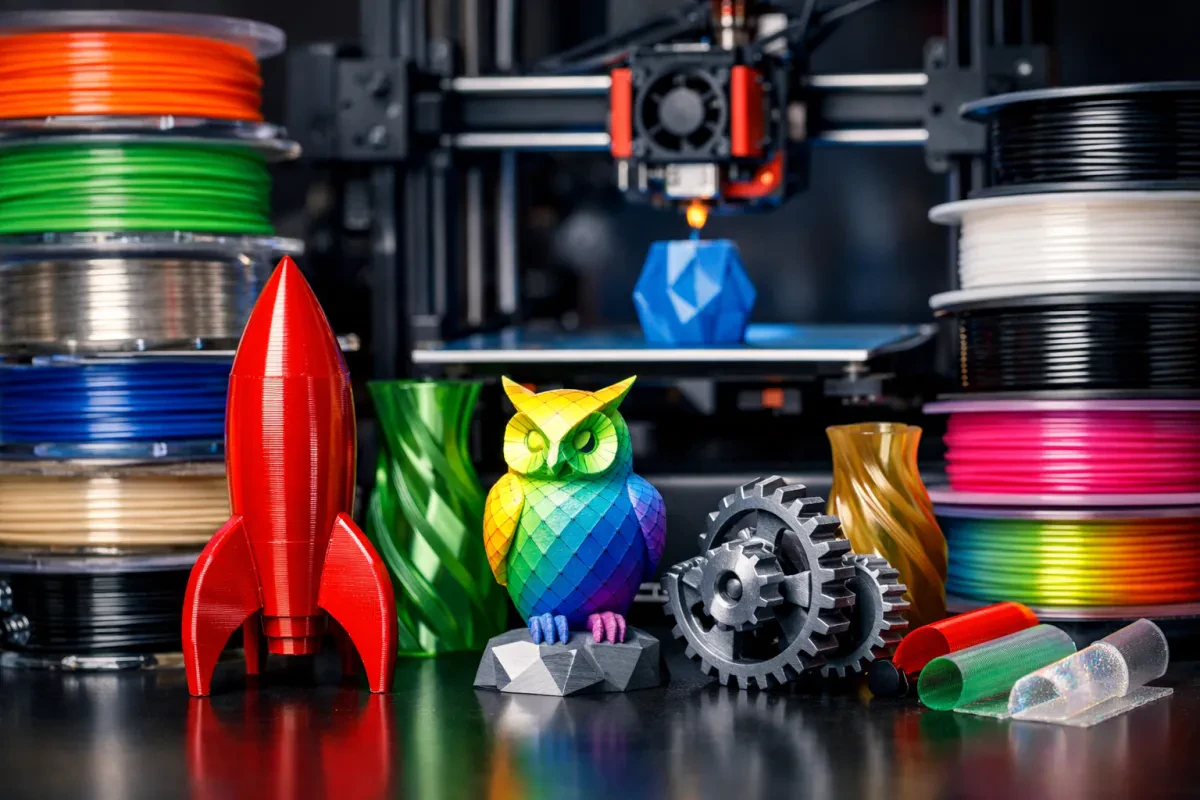
PLA, or Polylactic Acid, is one of the most popular filaments in the 3D printing world. It’s made from natural resources like cornstarch or sugarcane, which makes it biodegradable and eco-friendly. If you're looking for a filament that’s easy to work with and produces great results, PLA is a solid choice.
This filament is perfect for beginners because it prints at lower temperatures, which means you don’t have to be an expert to get started. It sticks well to the print bed, reducing the chances of warping or other printing issues. Plus, it produces vibrant colors and smooth finishes, making your 3D prints look fantastic right off the machine.
Another plus? PLA cools quickly, making it great for intricate designs and detailed prints. You can create everything from toys to prototypes without a hitch. If you’re ready to dive into 3D printing, starting with PLA will give you a good mix of reliability and quality.
Getting to Know ABS Filament
ABS filament is a popular choice among 3D printing enthusiasts, and for good reason. It's tough, durable, and can handle wear and tear like a champ. If you're working on projects that need strength—like toys, automotive parts, or even tools—ABS is a solid option.
One of the cool things about ABS is how easy it is to print. It flows well through most 3D printers and sticks nicely to the print bed. Just keep in mind that it can warp as it cools, so a heated bed helps a lot. If you’re planning to print with ABS, make sure your workspace is well-ventilated. The fumes can be a bit strong, and having proper airflow makes it safer.
ABS also takes paint and finishes really well. So, if you want your project to look polished and professional, you can sand it down and apply paint without any hassle. Plus, it holds up well at higher temperatures, making it great for functional parts that might be exposed to heat.
When picking the right color, ABS might have you covered. It comes in a variety of shades, so you can choose what fits your project best. Just remember, it’s always a smart move to do a test print. This way, you can fine-tune your settings for the best results.
Exploring Flexible Filaments for Unique Prints
When it comes to 3D printing, flexible filaments are a game changer. These materials open up a whole new world of possibilities, allowing you to create prints that are not just solid but also bend and stretch. If you’re looking to make something unique, flexible filaments are definitely worth exploring.
There are a few popular types of flexible filaments like TPU (Thermoplastic Polyurethane) and TPE (Thermoplastic Elastomer). TPU is super durable and can withstand some serious wear and tear. It's great for making phone cases, flexible toys, or even custom parts for your projects. TPE, on the other hand, tends to be softer and offers a squishier feel, which makes it perfect for fun, soft-touch items.
Printing with flexible materials can be a bit tricky at first, but it’s totally manageable. You’ll want to make sure your printer can handle it; a direct drive extruder works best since it gives you more control. Plus, keeping the settings just right is crucial. You might need to tweak the speed and temperature to find that sweet spot for a smooth print.
Before you dive in, make sure to check the specs and recommendations for the filament you choose. It’s all about getting the right balance for what you want to create. With a bit of practice, you’ll be whipping up all sorts of flexible creations in no time!
Why Choose PETG for Your Projects
If you’re diving into the world of 3D printing, you might have heard a lot about PETG, and for good reason! It’s a fantastic filament choice that many hobbyists and pros swear by.
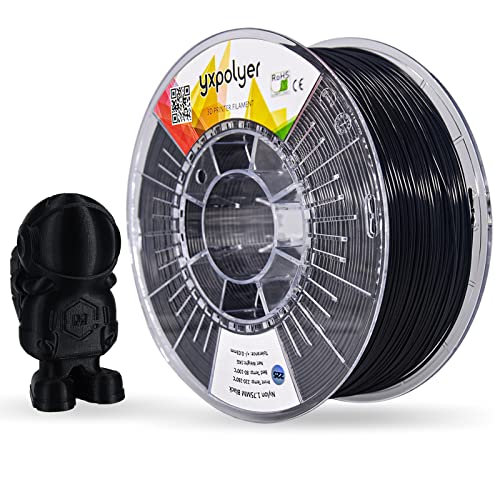
First off, PETG combines the best features of PLA and ABS. It’s super easy to print and doesn’t warp much, plus it’s much stronger than PLA. If you need parts that can handle some rough use, PETG won’t let you down.
Another highlight is its chemical resistance. So, if your project involves moisture or exposure to certain liquids, PETG is the way to go. It’s also food-safe, making it great for projects like kitchen utensils or containers. Just check your printer settings to be sure it maintains that safety standard!
And let’s talk about flexibility. PETG has a bit of give, so it can take a hit without cracking or shattering. This makes it perfect for functional parts or items that need to flex a little. Plus, it’s got a nice glossy finish that makes your prints look really polished.
So, whether you're printing prototypes or cool designs, PETG is worth considering. It's user-friendly, tough, and versatile enough for almost any project you can think of.