3D printing is a game changer for small businesses. It allows you to create custom products on demand, cutting down on inventory costs and waste. Instead of mass-producing items that might not sell, you can print only what you need, when you need it. It’s like having your own mini factory right at your fingertips!
Another great perk? You can easily modify your designs. Want to tweak that product just a little to meet a customer’s needs? No problem. You can quickly adjust and reprint. This flexibility means you can adapt to market trends or customer feedback without breaking the bank.
Plus, the design possibilities are endless. Whether you're into creating unique gadget accessories, custom toys, or specialized tools, you can bring your ideas to life. With 3D printing, you can experiment without the hefty cost of traditional manufacturing methods.
Lastly, using 3D printing can set you apart from competitors. Customers love one-of-a-kind products, and with the ability to customize items, you’ll attract attention. Stand out in the crowd and build a reputation for innovation!
Getting Started with Your First Printer
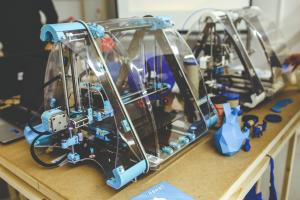
First off, choose the right printer for what you want to create. There are plenty of options out there, so consider what you will be printing. Are you focusing on detailed prototypes, functional parts, or maybe even custom toys? Essentially, pick a printer that suits your needs:
Once you’ve got your printer, it’s time to set it up. Make sure you follow the manufacturer’s instructions carefully. Most printers will require some assembly and calibration, but don’t stress about it! These steps typically involve leveling the build plate and loading filament. Just take it slow and double-check your connections. You’ve got this!
After that, it's all about learning to use slicing software. This software takes your 3D models and prepares them for printing, turning them into G-code that the printer understands. Start with the pre-installed settings in your slicer; as you get comfortable, experiment with different settings to see how they affect your prints. Remember, practice makes perfect!
Lastly, don't forget to have fun exploring and experimenting. Get crafty with your designs, learn from any mistakes, and connect with the 3D printing community for tips and tricks. Before you know it, you’ll be creating amazing products for your small business!
Top 3D Printers for Small Business Needs
Looking to kickstart your small business with 3D printing? You're in the right place! The right printer can make a huge difference in your production quality and efficiency. Here are some top picks that blend performance and affordability.
1. Creality Ender 3 V2
2. Prusa i3 MK3S+
3. Anycubic Photon Mono X
With these options, you'll be well on your way to creating amazing products that can help your small business thrive. Each printer has its own strengths, so think about what you need most and go for it!
Tips for Success in 3D Printing
Getting started with 3D printing can feel a bit overwhelming, but don’t worry. A few tips can help you hit the ground running. First off, choose the right printer for your needs. Some printers are better for beginners, while others are designed for more advanced users. Do a bit of research to find one that matches your skill level and what you want to create.
Once you have your printer, familiarize yourself with the software. Learning the ins and outs of your design program can save you a ton of headaches later. There are plenty of user-friendly options available that can help you bring your ideas to life without too steep of a learning curve. Don't be afraid to experiment and play around with different features!
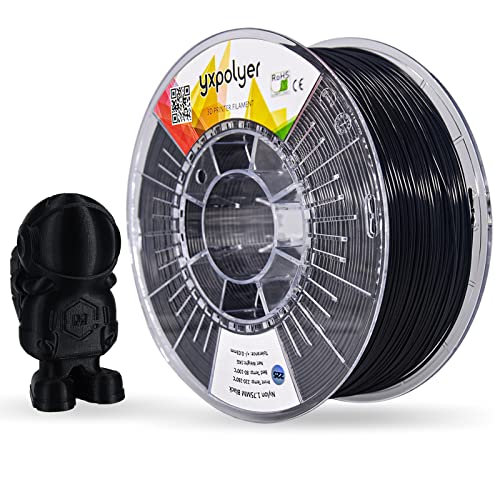
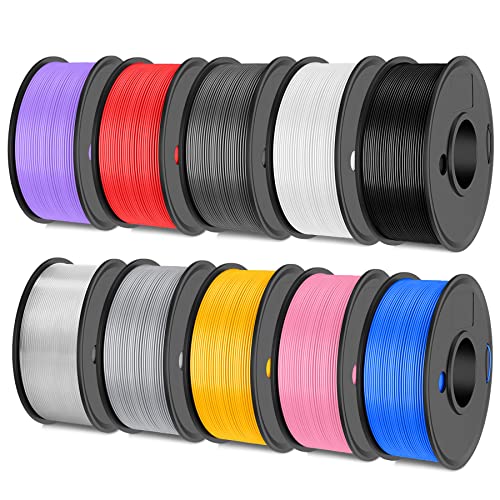
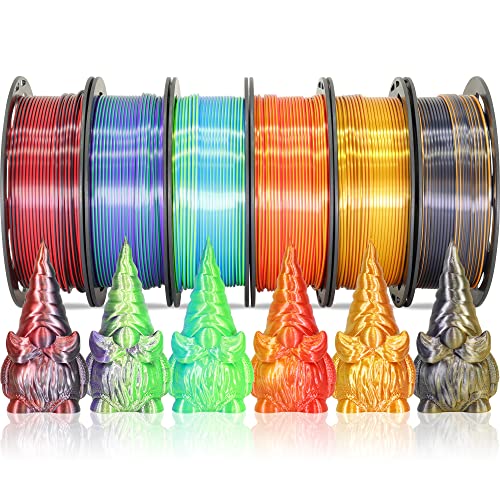
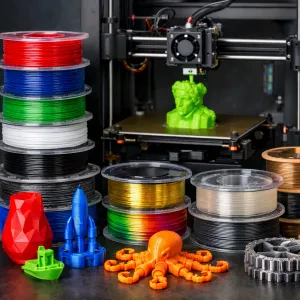
Don’t forget about the materials! The type of filament you choose can really impact the final product. PLA is great for beginners because it's easy to print with and comes in a ton of colors. If you’re looking for something stronger, consider ABS or PETG. It’s a good idea to keep a variety of filaments on hand so you can tackle different projects.
Lastly, patience is key. 3D printing is a process that can take time, especially when you’re just starting out. Don’t get discouraged by failed prints. Instead, use those experiences to learn and improve. Each challenge brings you closer to mastering your new skills!